Trading stock market indices is one of the most approachable ways for new investors to step into financial markets. Unlike individual stocks, indices bundle multiple companies into a single instrument, giving traders exposure to broad market movements without having to research dozens of individual stocks. For 2026, understanding how to trade indices effectively can save beginners from common pitfalls while laying a foundation for long-term success.
Understanding Stock Market Indices
An index is essentially a collection of stocks representing a market segment or the broader economy. Some of the most followed indices include:
- S&P 500 – Tracks 500 large U.S. companies, widely used to measure overall market performance.
- NASDAQ 100 – Focused on tech-heavy companies, often more volatile but high potential.
- Dow Jones Industrial Average (DJIA) – Tracks 30 major blue-chip firms, offering a snapshot of the U.S. economy.
Why trade indices instead of single stocks? For beginners, indices provide:
- Higher liquidity, making it easier to enter and exit positions.
- Lower impact from company-specific news.
- Exposure to broad market trends, reducing single-stock risk.
In 2026, indices continue to attract attention due to their mix of stability, volatility, and predictable behavior patterns.
Essential Rules for Beginners
Most failures in trading come from ignoring core rules. Here’s what every new trader should follow:
- Risk Only a Small Portion of Your Account Use the 1–2% rule: Never risk more than 1–2% of your total capital on a single trade. This keeps losses manageable and preserves the ability to continue trading through losing streaks.
- Capital Comes First Always protect your principal before chasing profits. Think of every trade as a controlled experiment: your account survival matters more than winning a single position.
- Adopt a Long-Term Perspective Warren Buffett’s 70/30 rule — 70% equities, 30% cash or bonds — may not be a trade-by-trade strategy, but it’s a useful reminder: always maintain liquidity and balance exposure to reduce stress and risk.
Beginner-Friendly Trading Strategies
Here are three approaches new traders can implement without overcomplicating their workflow: Trend Following The simplest method is to align with market direction: buy in an uptrend, sell in a downtrend. Indices often move in smoother trends than individual stocks, making them ideal for this strategy. Breakout Trading Trade when price breaks key support or resistance levels. Successful breakouts often coincide with high volume or major economic events. In indices, this can be tied to announcements like GDP data, inflation reports, or Fed decisions. Swing Trading Hold positions for several days to capture short-term price swings within broader trends. This approach balances the need for patience with the desire to take advantage of intraday or multi-day movements.
Setting Realistic Trading Expectations and Managing Risk
New traders frequently overestimate short-term gains. A $500 account cannot realistically generate $200 per day without extreme leverage, which increases the chance of total loss. Growth should be steady, not explosive.
Why Traders Fail?
- Chasing unrealistic returns
- Ignoring risk management
- Trading emotionally rather than methodically
- Overleveraging or using too many simultaneous trades
Using stop-loss orders and the 1–2% risk rule preserves capital and creates a repeatable, disciplined approach. Consistency beats luck every time.
Essential Tools for New Traders
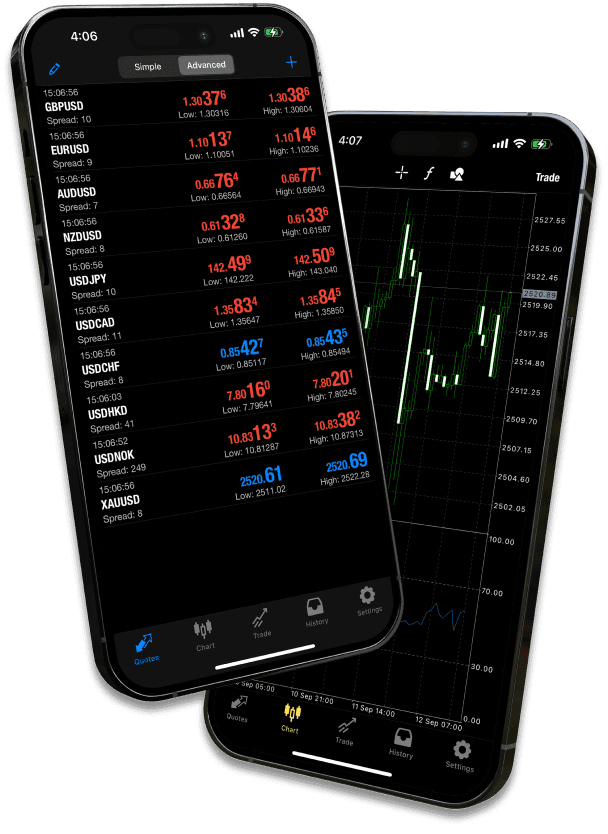
Charting Platforms Tools like MetaTrader 5, TradingView allow you to analyze market trends, set alerts, and practice strategies visually.
Demo Accounts Start with a demo trading account to test entries, exits, and strategies without risking real money. Demo trading builds confidence and teaches risk management.
Economic Calendars and News Indices are sensitive to macro events. Keep track of central bank meetings, inflation data, jobs reports, and major earnings announcements to anticipate market movements.
Successful beginners combine discipline, strategy, and realistic expectations. Focus on one or two indices to start, practice in demo accounts, and gradually implement trend-following, breakout, or swing trading methods.
Remember, trading isn’t about predicting the next move perfectly. It’s about managing risk, following clear rules, and improving incrementally over time.
In 2026, indices trading remains an excellent entry point for new traders. By understanding the basics, following capital-preserving rules, and using simple, repeatable strategies, beginners can navigate markets with confidence. Combining disciplined trading, proper tools, and realistic expectations creates a path toward long-term growth — turning beginners into competent, strategic market participants.