


CFD trading has become one of the most widely used ways to participate in global financial markets, especially among retail traders. Yet for many beginners, it remains confusing, often misunderstood as either overly complex or excessively risky. In reality, CFD trading is a tool. Like any tool, its outcome depends on how it is used.
This guide explains what CFD trading is, how it works in practice, where the risks come from, and how beginners can approach it with clarity and control rather than speculation.
Introduction to CFD Trading
CFD trading stands for Contract for Difference trading. Instead of buying or selling the actual asset, such as a stock, commodity, or currency, you trade a contract that reflects the price movement of that asset.
When you trade CFDs, you are agreeing to exchange the difference between the opening price and the closing price of a position. If the price moves in your favor, you earn the difference. If it moves against you, you pay the difference.
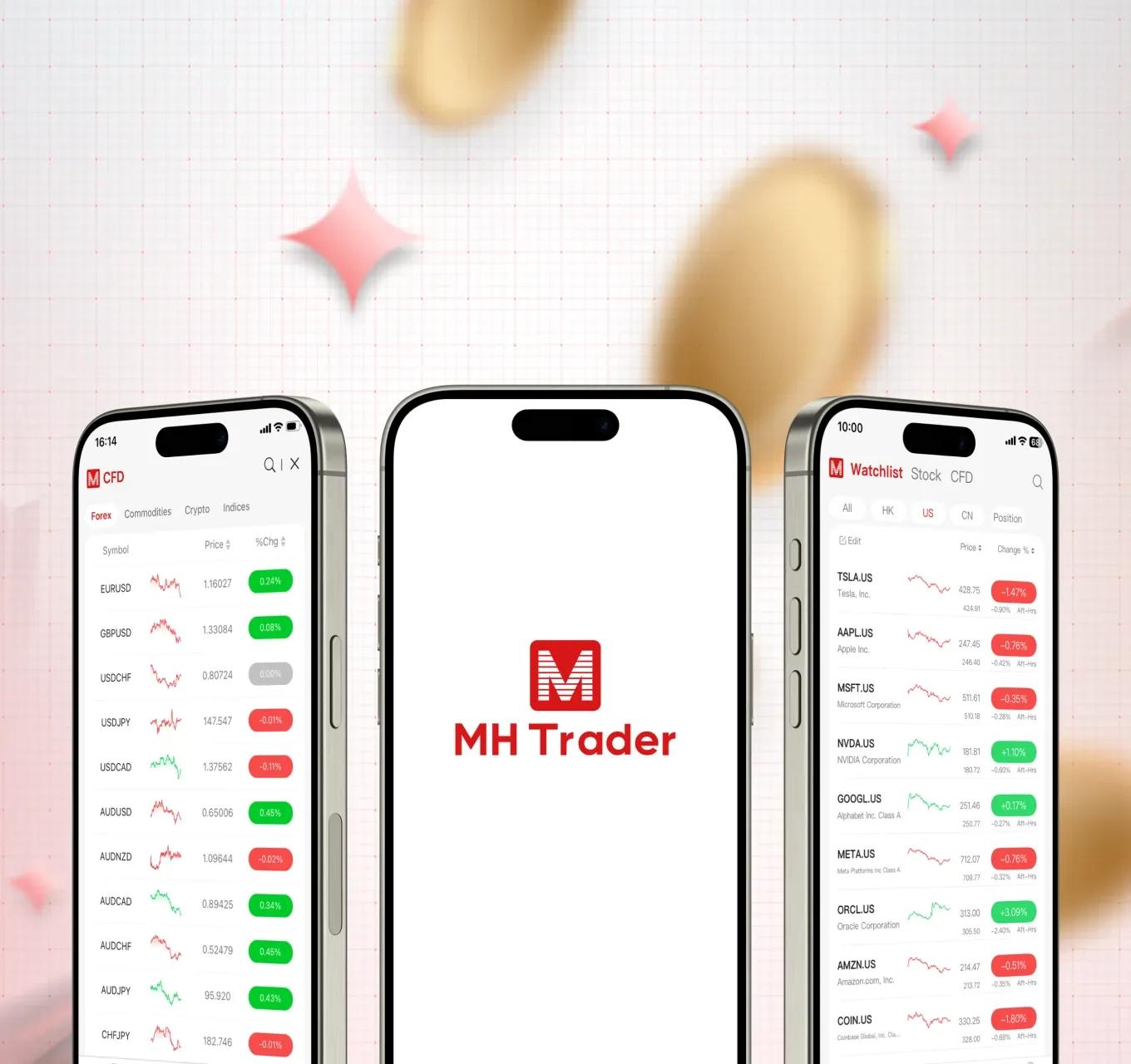
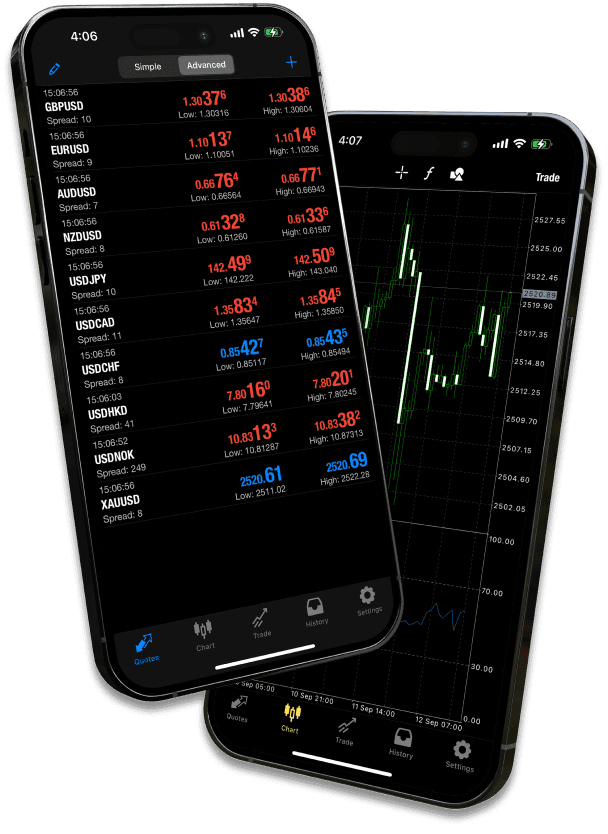
CFD trading is popular because it allows traders to access multiple markets from a single platform. Forex, indices, commodities, stocks, and metals can all be traded using the same structure. This flexibility is one reason CFD trading for beginners has grown significantly in recent years.
How CFD Trading Works: Going Long and Short
To understand how CFD trading works, it helps to think in terms of direction rather than ownership.
When you believe the price of an asset will rise, you open a long CFD position. If the price increases, the difference becomes your profit. When you expect the price to fall, you open a short position. If the price declines, you profit from the downward move.
This ability to trade both rising and falling markets is one of the defining features of CFD trading. Traditional investing often requires upward movement to generate returns. CFDs allow traders to respond to changing market conditions, whether prices are trending up, down, or reacting to news.
However, the flexibility of going long and short also increases responsibility. Every position carries risk, regardless of direction.
Leverage, Margin, and Fees Explained
One of the most discussed aspects of CFD trading is leverage.
CFD leverage allows traders to control a larger position using a smaller amount of capital. Instead of paying the full value of a trade, you deposit a portion called margin. This is known as CFD margin.
For example, with leverage, a trader might control a position worth 10,000 units with only a fraction of that amount as margin. While this amplifies potential gains, it also magnifies losses. A small price move can have a significant impact on the account balance.
In addition to margin and leverage, traders should understand fees. CFD trading typically involves spreads, which are the difference between the buy and sell price. Some instruments may also include overnight financing charges if positions are held beyond a trading day.
Understanding these costs is essential before placing any trade.
How to Manage Risk in CFD Trading
- Risk is not optional in CFD trading. It is built into the structure. The goal is not to eliminate risk but to manage it.
- Effective CFD risk management begins with position sizing. Traders should decide how much of their capital they are willing to risk before entering a trade, not after the trade is open.
- Stop-loss orders are another critical tool. A stop-loss defines the price level where a losing trade is automatically closed. This prevents emotional decisions and protects capital during volatile conditions.
- Leverage should be adjusted based on experience and market conditions. High leverage may look attractive, but it leaves little room for error. Most beginner losses come from using too much leverage too early.
CFD vs Traditional Stock Trading: Key Differences Explained
CFD trading differs from traditional stock trading in several important ways.
When you buy a stock traditionally, you own a share of the company and may receive dividends. With CFDs, you do not own the underlying asset. You are trading price movements only.
CFDs also allow short selling without borrowing shares, which simplifies trading in falling markets. Additionally, CFDs often require less upfront capital due to margin trading, but this comes with higher risk.
Traditional investing is typically long-term and ownership-based. CFD trading is short- to medium-term and execution-focused. Neither approach is inherently better; they simply serve different objectives.
Risk Management Tips for Beginners
- For new traders, managing risk is more important than finding profitable strategies.
- Beginners should start with small position sizes and treat early trades as learning opportunities. Using demo accounts before live trading helps build familiarity with execution and platform behavior.
- Avoid trading during highly volatile news events until you understand how prices react. Keep leverage low and focus on consistency rather than frequency. Most importantly, never risk money you cannot afford to lose.
- Understanding CFD trading risks early prevents costly mistakes later.
Pros and Cons of CFD Trading
| Pros of CFD Trading | Cons of CFD Trading |
|---|---|
|
Access to multiple global markets from one platform |
Losses can be amplified due to leverage |
|
Ability to trade rising and falling prices |
Requires strong risk discipline |
|
Lower capital requirement compared to full asset purchase |
Overnight fees may apply |
|
Flexible position sizing |
Not suitable for long-term ownership strategies |
|
Fast execution and liquidity |
Emotional trading can escalate losses |
Getting Started with CFD Trading
- Starting CFD trading begins with education and preparation. Choose a regulated broker that offers transparent pricing, risk controls, and educational resources.
- Open a demo account to understand platform mechanics without financial risk. Learn how orders work, how margin changes with position size, and how stop-losses behave during volatile periods.
- When transitioning to a live account, start small. Focus on executing your plan rather than chasing profits. Over time, consistency and discipline matter far more than short-term results.
Understanding CFDs Before Trading Them
- CFD trading is neither a shortcut nor a guarantee. It is a structured way to participate in global markets using price movement rather than ownership.
- For beginners, success starts with understanding how CFDs work, respecting leverage, and prioritizing risk management. The traders who last are not those who trade the most, but those who control risk the best.
- With the right mindset and preparation, CFD trading can become a disciplined approach rather than a speculative gamble.